
CDL School for Stay-at-Home Parents Returning to Work
You spent years keeping a household running. Now you're thinking about paid work again, and the question is where to start.
We hear this often from the people who come to us. They're nervous about the gap on their résumé, unsure what's realistic, and wondering if a new field is even possible. It is. A commercial driver's license (CDL) is one of the more direct ways back into a steady job, and you don't need a trucking background to begin.
CDL School for Stay-at-Home Parents: Why It Fits a Return to Work
Many parents who step back into the workforce want three things: a clear path, a reasonable timeline, and work that stays in demand. CDL training offers all three. It's a focused license, not a multi-year degree, so you aren't signing up for years of classes before you can earn again.
Here's what we tell every parent who calls us: the skills you already have count. Running a household means showing up on time, planning the day ahead, staying calm when things go sideways, and taking responsibility for other people. Those are the habits good drivers rely on.
Our goal is simple. We want to take you from "I'm not sure I can do this" to a license and a plan for what comes next.
A Career Change Without Trucking Experience
No prior driving experience is required. You don't need to know how a big rig works, and you don't need a friend or relative in the industry.
Plenty of our students start from zero. We teach the material step by step, in plain language, and we don't assume you already know the vocabulary. If you want to read more about the career-changer path in general, here is CDL training built for career changers.
This isn't a shortcut that skips the work. You'll study, practice, and be tested like every other student, and you'll need to take it seriously. What we promise is support along the way, not an easier standard.
CDL Training as a Career Restart: From Enrollment to the Road
CDL training for a career restart works best when the steps are clear from day one. Ours are short, and we'll walk you through each one.
From Application Approval to Your First Class
First, you apply. Second, we review your application and approve it. Third, you start classes as soon as that approval comes through, so there's no long wait for a seat to open up.
Don't have your permit yet? That's okay. We help students who are still working toward theirs, so you aren't stuck guessing what comes next.
If you want to picture those early days, read about the first week of CDL school. It's a good way to take away some of the fear of the unknown.
Classroom Lessons and Hands-On Practice
Our training combines classroom instruction with hands-on practice, and each one supports the other. In the classroom, you learn the rules, the safety basics, and what you'll be tested on. Behind the wheel, you turn that knowledge into skill.
That mix matters because a license test checks both what you know and what you can do. A student who has only read about backing up a truck isn't ready, and neither is a student who has driven without understanding the rules. We prepare you for both, and we keep our eye on life after graduation, not just the test.
You'll also have people to ask. Personal support is how we run the school, so questions are welcome at any stage.
Fitting CDL Training Around Childcare and Family Life
For most parents, the first worry isn't the truck. It's the schedule. Who picks up the kids, who covers the afternoons, and what happens if a child gets sick during training week?
Program length and daily hours vary from school to school, so don't rely on a general number you read online. Ask for the timeline in writing before you arrange any care. You can read more about how long CDL training takes, and then confirm the details for the program you're considering.
Planning Childcare Around Class and Practice Time
Start with your own week. Write down the hours when someone can reliably be with your children, and note which days are hardest. Then compare that list to the class and practice hours a school gives you.
Training is time-limited. That's the good news for a parent. A stretch of focused effort, with help from a partner, relatives, or a sitter, can lead to a long-term career, and you may only need that extra care for a defined period.
If you're raising children on your own, our post on CDL school for single parents goes into more detail on planning.
Get your childcare arranged only after you have the schedule in hand. Otherwise you may line up care for hours you won't actually need, or miss hours you will.
Questions to Ask a School About Schedules Before You Enroll
Use these when you compare schools, including ours:
Start dates. When does the next class begin, and how soon after approval can you start?
Daily hours. What time do classroom sessions and driving practice begin and end, and do those hours change from week to week?
Missed sessions. What happens if a child is sick and you miss a day? Is there a make-up option, and is it written down?
Total length. How many weeks does the whole program run, from the first class to the license test?
A good school answers these directly and puts the answers in writing. If you get vague replies, treat that as useful information.
Starting a New Career at 40 With a CDL
Starting a new career at 40 is common, and it's a reasonable move for the right person. We train people who are starting a brand-new career and people who are adding a CDL to skills they already have. Age isn't what holds a student back. Commitment to the work is what counts.
Is It Too Late to Begin at 40 or Beyond?
No. Many of the people considering this path are in their 40s, 50s, or older, and they bring patience and good judgment that serve them well on the road. For more on this, see our page on CDL training for older adults.
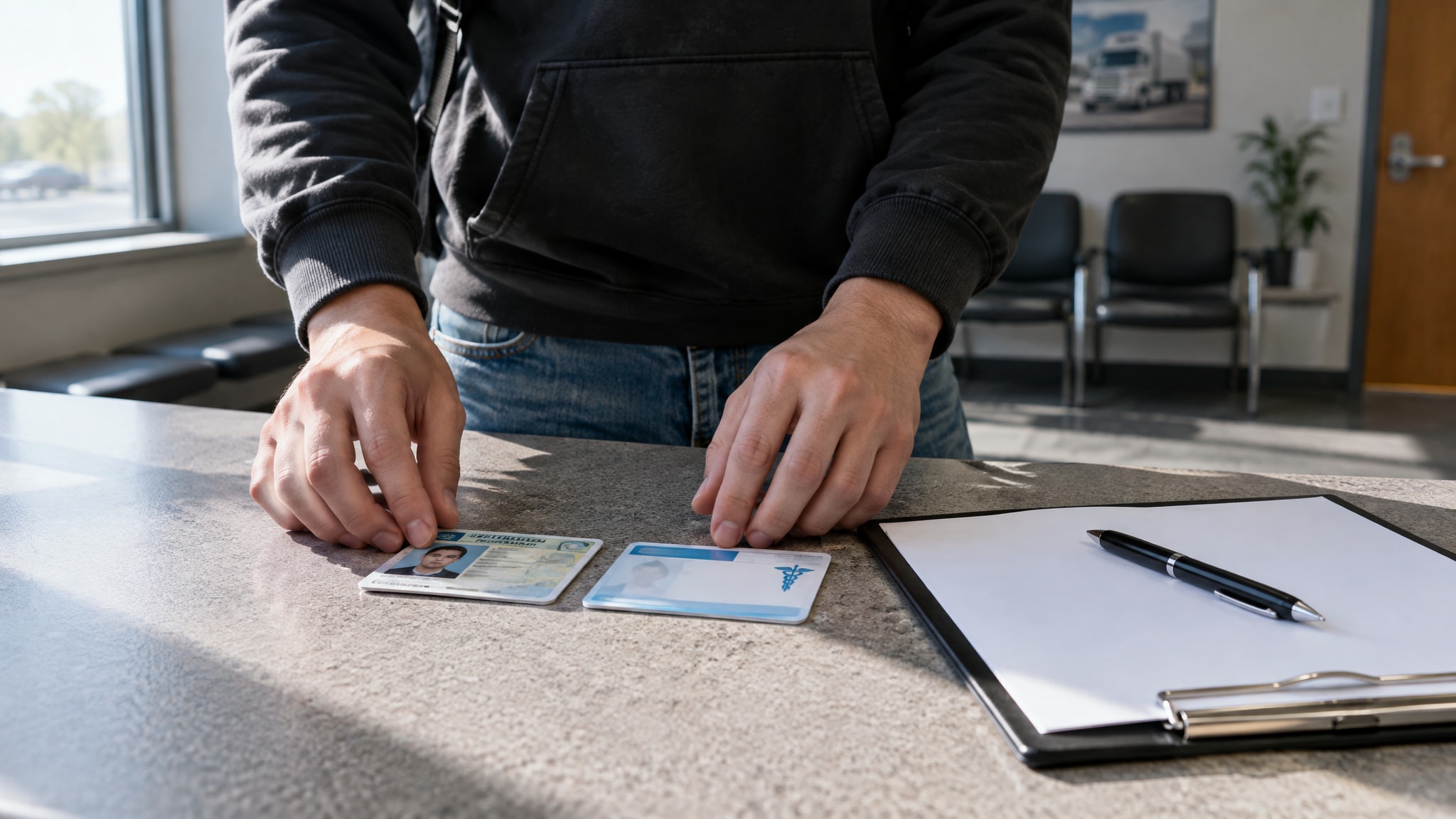
One practical point: most drivers need a medical certification to hold a CDL. It's worth finding out early what that involves, so nothing surprises you partway through training. Ask your doctor or our team if you have a health concern.
If you held a CDL years ago before stepping away to raise your family, you may not need to start from scratch. We've published a guide to refresher training for drivers who need to renew their skills before driving again, and it's a good place to start. A refresher makes sense when you already know the work but feel rusty after a long break.
Stable Career Options After Time Off: Routes and Placement Support
A stable career after time off is a fair thing to want. Commercial driving has long offered recurring openings for qualified drivers, but conditions shift with the economy, and we won't pretend otherwise. Pay and time at home depend on the route you choose, the employer, and the decisions you make along the way.
It's also a full-time career, not a quick side income. If you're looking for a few spare hours a week, this isn't the right fit, and we'd rather tell you that up front.
Commercial Driving Career Goals That Fit Family Life
How often you're home is the biggest difference between route types. Local and regional routes usually keep a driver closer to home than long-haul work, and for a parent choosing a first job that difference often matters most.
Local: You're typically home most evenings. Days can start early, and the work can be physical.
Regional: You cover a wider area, so some nights away are possible, but you're often home on a regular rhythm.
Long-haul: You spend more time on the road, sometimes for days at a stretch. That can suit you later, but it's harder when children are young.
A parent who needs to be home every evening can start with local or regional openings and revisit longer routes once childcare feels settled. Nothing says your first job has to be your last.
Every route has trade-offs. Expect early starts, long stretches of sitting, and some lifting and climbing. Think about which ones you can live with.
What Job Placement Support Covers After Graduation
Finishing the license is the first goal. Finding the right job is the next one, and you shouldn't have to do it alone. You can read more on what job placement support covers after graduation.
We help prepare you for the job search, but we can't guarantee a job. Hiring decisions belong to employers. What we can do is stay in your corner while you get ready.
What Training Costs and How to Check Funding Options
Cost is a fair concern, especially if you've been living on one income. We don't list dollar figures here because the right number depends on the program, so ask us for current details.
Common routes people look into include financial aid, grants, loans, and tuition reimbursement from an employer, where one offers it. Our guide to CDL school financial aid options covers these in more detail.
Eligibility and terms vary, and reimbursement rules can differ a great deal from one employer to the next. Confirm what you qualify for, and get the terms in writing, before you commit to anything. That way you know what you're agreeing to and you can plan your household budget with confidence.
Your Next Step: A Free Consultation Before You Enroll
You don't have to have it all figured out. Book a free CDL school consultation and we'll talk through your schedule, your childcare, and your funding options, with no pressure.
When you're ready, complete the online application. Classes can begin as soon as your application is approved, and no prior driving experience is required.
Frequently asked questions
How can a stay-at-home parent get back into the workforce?
There are several routes, including part-time work, retraining, and a skilled-license career. CDL training is one of the more direct ones because it's a focused license, not a degree, and no driving experience is needed to start. At Soler & Soler CDL School, classes can begin as soon as your application is approved.
Can I use a CDL for a few extra hours of income while my kids are at school?
Commercial driving is a full-time career, not a quick side income. Local and regional jobs can keep you closer to home, but they still follow an employer's schedule. If you only want a few spare hours a week, this isn't the right fit.
Do I need a permit before I apply?
No. You can apply first. We help students who don't have a permit yet, so you aren't left working out that step alone.
I held a CDL years ago. Do I have to start over?
Not necessarily. If you already know the work but feel out of practice after a long break, a refresher course may be the better choice. We have a guide to refresher training for drivers who need to renew their skills before driving again.
Will I be home every night as a driver?
It depends on the route. Local and regional work usually keeps a driver closer to home than long-haul, so it's a common starting point for parents. Pay and time at home also depend on the employer, so ask about both before you accept a job.


Comments