
What to Bring to CDL Permit Test: 2026 Checklist
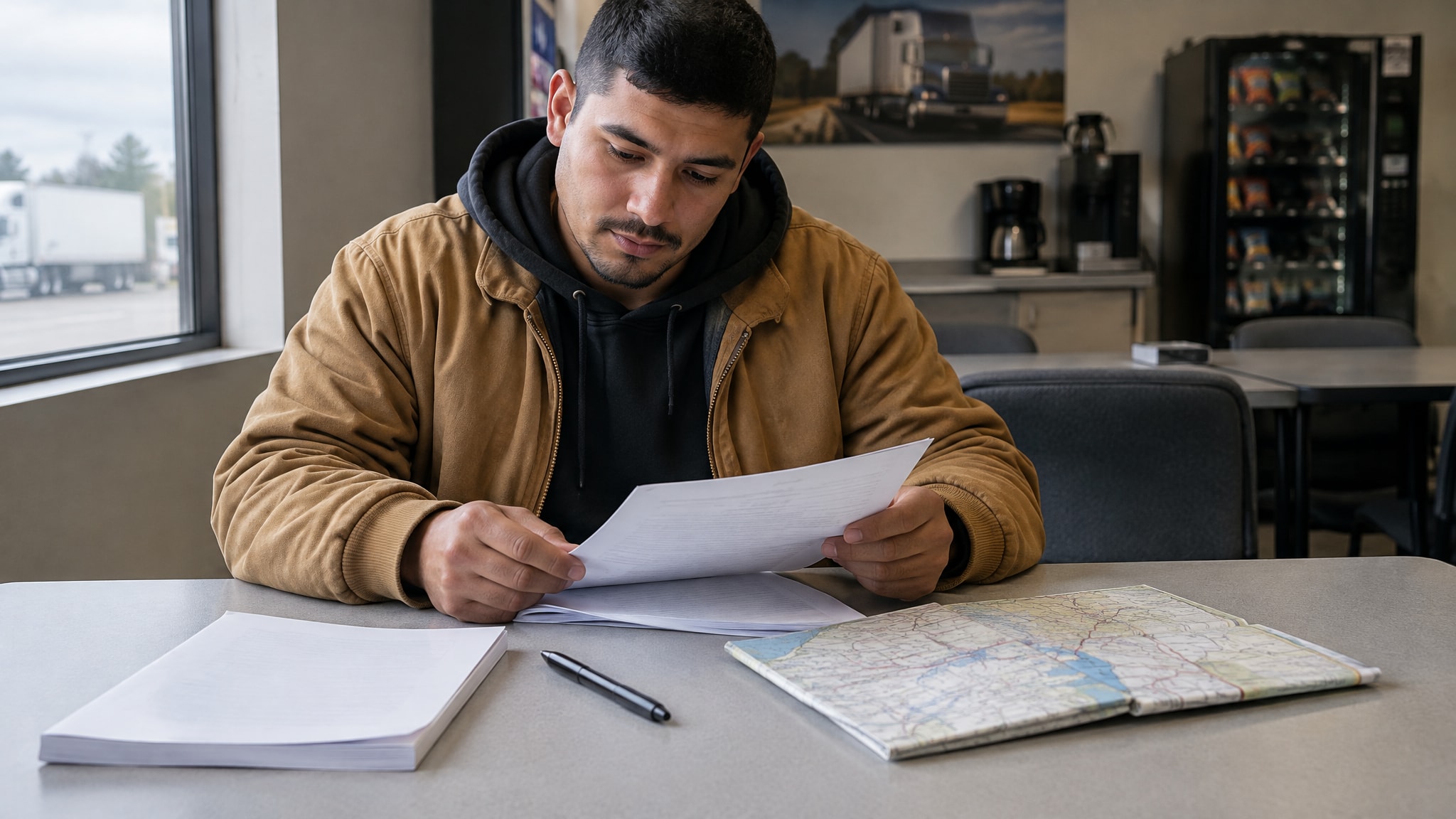
Walking into the DMV for your commercial learner's permit test feels a lot less intimidating when you know exactly what to bring. Many of our students are changing careers and haven't set foot in a licensing office in years, so we want you to feel ready before you walk through that door. Gathering the right paperwork ahead of time keeps you from getting bounced out and keeps your training timeline on track.
This guide covers the documents, medical forms, and logistics you need to handle before testing day. We support you through every step of our program, but verifying your own paperwork is on you, and it's worth doing right.
Essential CDL Permit Test Documents Checklist
You can't take the written knowledge exam without the right identification and residency proof in hand at the counter. State transportation departments specify that applicants bring a current driver's license, commercial learner's permit (if you already have one), vehicle registration, and proof of insurance to any CDL-related appointment (Idaho Transportation Department). Miss even one item and you can expect an immediate cancellation, no matter how well you've studied.
Proof of Identity and Legal Presence
Your identity documents establish who you are and your legal right to work in the United States. Most states want an original or certified copy of your birth certificate, or a valid unexpired passport, as primary proof. Laminated copies, photocopies, and hospital souvenir certificates get rejected everywhere.
If your name has changed since birth, through marriage or a court order, bring the documents that connect the dots. A marriage certificate or divorce decree bridges your birth name and your current legal name, so the examiner can follow the paper trail.
Social Security and Residency Verification
Pennsylvania's DMV, for example, asks for proof of identity and residency such as a birth certificate or passport, Social Security Number verification, and a valid DOT Medical Examiner's Certificate (Pennsylvania DMV). Most states want two separate documents proving residency, and they need to show your current physical address, not a P.O. Box.
Recent utility bills, bank statements, or mortgage documents often work, as long as they're dated within the last sixty days. Mail forwarded through the post office or generic junk mail won't cut it, so pull official statements straight from your service providers if you don't have paper bills on hand.
Medical Certification and Physical Exam Requirements
You need to pass the DOT physical before you can legally operate a commercial vehicle or sit for the permit exam. Training providers in the industry stress that students should bring both the long-form DOT physical and the medical card to the DMV for permit testing, and again to carrier orientation. Showing up with only the wallet-sized card, and not the full exam form, is a common reason people get turned away at the window.
Understanding the DOT Medical Card
The medical card is quick proof that a certified examiner has cleared you for commercial driving. It lists any restrictions tied to your health, things like corrective lenses or insulin use. Keep the original somewhere safe and make a few copies for yourself before you hand anything to the state.
Submitting Your Medical Examiner's Certificate
The long-form physical holds the detailed health data your driver qualification file needs under federal rules. Some states now let the medical examiner submit it electronically, but plenty still want the paper form in person at the permit appointment. Call your local licensing agency ahead of time and ask whether they take digital uploads or need the physical paperwork.
Payment Methods and Application Fees
Government offices run on different rules than retail stores, and assuming they'll take your card the way the grocery store does leads to wasted trips. Many DMV locations skip personal checks and credit cards altogether, sticking to cash, money orders, or cashier's checks. Confirm the exact fee and the payment types your testing center accepts before you leave home.
Fees shift by state and by endorsement, so check the official agency website rather than guess. Show up with the right amount in the right format, and the clerk moves you through faster. We'd rather see you avoid standing in line twice over a payment issue a quick phone call could have fixed.
Test Day Logistics and Personal Preparation
Getting there early buys you room for traffic, parking trouble, or a longer-than-usual line at the door. We recommend arriving at least thirty minutes before your scheduled slot so check-in doesn't feel rushed. Anxiety drops fast once you're not sprinting through the lobby watching the clock.
Arrival Timing and Wait Times
Walk-in availability swings a lot depending on staffing and the time of year. Even with an appointment, processing can eat up real time, especially during morning rush or around lunch. Patience is part of the job you're training for anyway, and reviewing your notes while you wait puts that mindset into practice already.
Vision Screening and Comfort Items
The vision screening happens right at the counter, or just before the written test starts. Bring your glasses or contacts if you need them for driving. Skip this and the whole process stops cold, so wear your corrective lenses during the exam and your results will actually reflect whether you can read road signs and dashboard instruments.
Bring water and a small snack for the wait. Dehydration and low blood sugar make test anxiety worse and make it harder to recall what you studied during your CDL permit test practice sessions. Small comforts go a long way in a government office when you're doing this alone.
Common Document Mistakes to Avoid
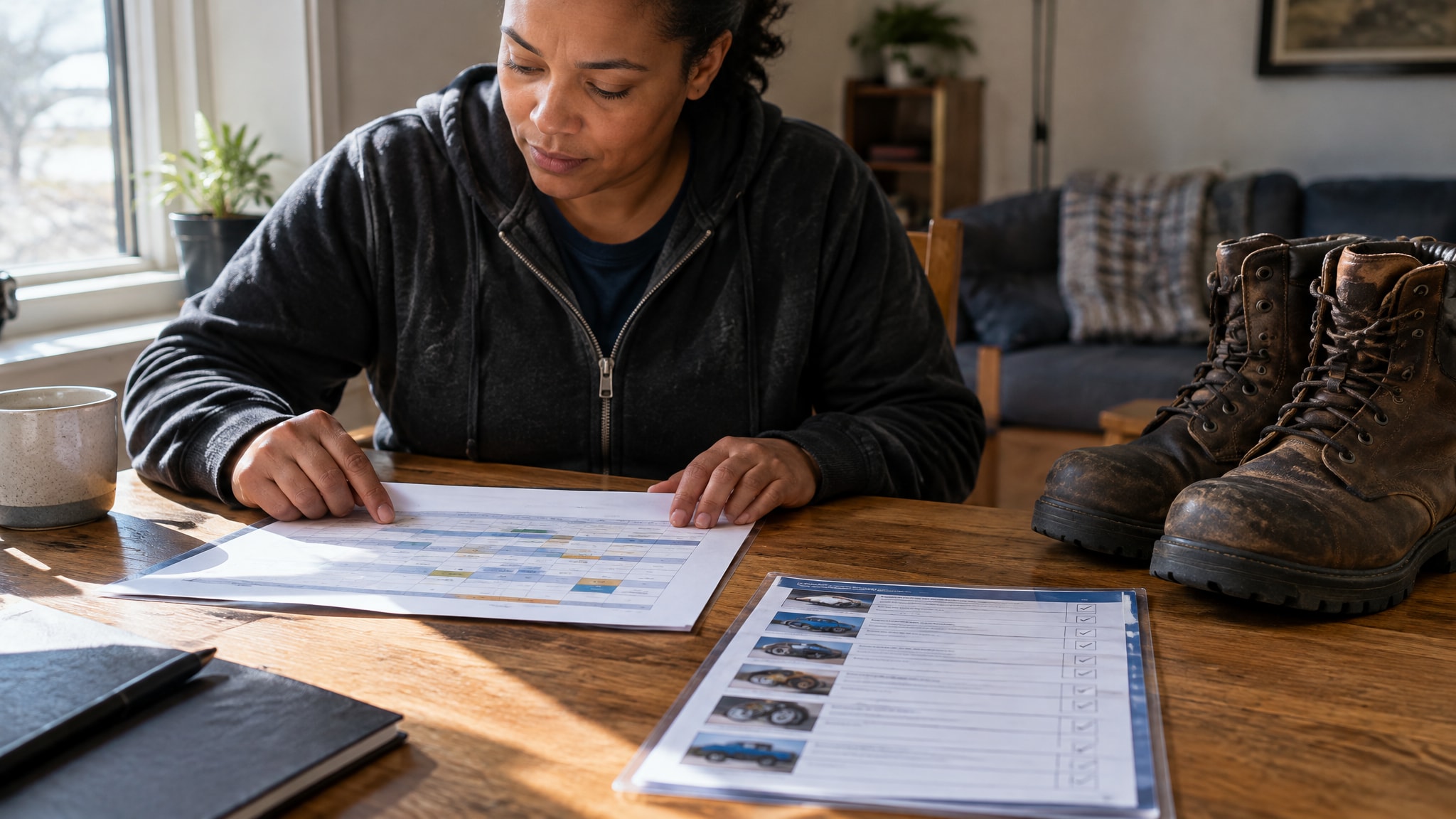
Expired ID is the single most common reason people get turned away at the door. Check the expiration dates on everything you plan to bring, your driver's license and passport included, well before your appointment. Renewing these takes weeks, so catch a lapse early and it won't touch your testing schedule.
Name mismatches across documents raise flags clerks can't wave through on their own. If your utility bill says "Robert Smith" and your license says "Bob Smith," bring something that links the two, or update the accounts first. Matching paperwork shows attention to detail, and that's a trait safety directors notice in new hires.
Not enough residency proof trips up plenty of applicants who assume one document will do when the state wants two. Check the exact count and the accepted document types for your state instead of going on general advice. A quick look at official state resources now saves you a rescheduled appointment later.
After the Permit Test: Next Steps Toward Your CDL
Passing the written exam earns you a Commercial Learner's Permit, and that's what opens the door to behind-the-wheel training. It proves you know the safety rules and vehicle systems well enough to practice driving under supervision. You've got the legal foundation now to log the hours full licensure requires.
This permit is real progress toward a stable career in transportation, not just another form in a folder. Our page on how to become a truck driver step by step shows where the permit fits into that bigger picture. Every requirement you clear gets you closer to a paycheck in an industry that cares more about dedication than prior experience.
Our CDL training programs for career changers give you the hands-on instruction and mentorship to turn that permit into a job offer. Meeting the CDL school enrollment requirements was step one, and passing the permit test proves you belong here. We're with you through every checkpoint left until you're holding your full commercial license.
Frequently Asked Questions
What do I need to bring to the DMV for my CDL test?
You must bring valid proof of identity like a birth certificate or passport, Social Security verification, two proofs of state residency, and your DOT medical documentation. Most locations also require your current driver's license and payment in an accepted format such as cash or money order. Always verify your specific state's requirements online before visiting to avoid being turned away.
Do I need both the long-form DOT physical and the medical card?
Yes, many states require both the detailed long-form examination report and the wallet-sized medical card for permit issuance. The long form provides comprehensive health data for your driver qualification file, while the card serves as immediate proof of fitness. Bring originals of both documents unless your state explicitly confirms they accept electronic submissions from examiners.
Can I use a digital copy of my residency documents?
Most DMVs require original documents or certified copies rather than screenshots or printed web pages. Download official PDF statements directly from your bank or utility provider if you no longer receive paper mail, as these carry more weight than forwarded email attachments. When in doubt, request a mailed official statement or visit the issuing institution for a certified duplicate.
What happens if I fail the vision screening at the DMV?
Failing the vision test typically pauses your application until you obtain a corrective lens prescription or specialist clearance. You will need to return with updated medical documentation showing your vision meets commercial standards with correction. Scheduling an eye exam before your DMV appointment prevents this delay and ensures you pass the screening on your first attempt.
Comments