
CDL School Refresher Course: Renew Skills Before Driving
This guide is for drivers who already hold a CDL and have been away from the road for a while. It is not for beginners. If you've never held a license, start with our guide for drivers starting from zero instead.
If you're here, you've done this before. You just need to get comfortable in the seat again, and that's exactly what we help with.
Who a CDL Refresher Course Is Built For
A CDL refresher course is a short, skills-focused program for licensed drivers who have been out of the seat. It is not the full training new drivers take. You already know what a truck is, so a CDL school refresher course skips the "what is a air brake" starting line and goes straight to the skills that fade when you stop using them.
Most of our returning students fit one of a few pictures. Maybe you stepped away for family reasons, a health recovery, or a different job. Maybe the company you drove for closed. Maybe you just want to feel steady before you apply somewhere new.
Whatever the reason, you don't have to explain yourself to us. You're coming back, and we want to help you do it well.
When a CDL Brush-Up Course Is Enough
A CDL brush-up course suits a driver with a current license and some recent experience behind the wheel. Think of a driver who ran routes until a year or two ago and wants to sharpen backing, inspections, and road habits before going back to work.
A lapsed license is a different story, because depending on your state you may need to retest, and that can mean more than a quick brush-up. A longer gap can also point toward fuller training. If that sounds like you, our CDL training programs for career changers are worth a look.
A refresher also can't promise a job or a passing score. What it does is give you supervised practice before you face a test or an employer.
Check Your License and Paperwork Before You Enroll
Paperwork problems are the most common thing that slows a returning driver down, and you can sort them out before spending a dollar on training. Take ten minutes and confirm three things.
First, confirm your CDL is still valid and hasn't expired. Next, check that your DOT medical certificate is current, if your type of driving requires one. Finally, find out what your state requires after a lapse, because the rules differ from one state to the next.
Your state's licensing agency is the place to get a straight answer. Your CDL manual and your state's website will also tell you what your endorsements need to stay active.
Lapsed Licenses and State Rules
If your license has lapsed, a retest may be part of getting it back. Some states ask for the knowledge test again, and some want a skills test too. Others have a simpler path for short lapses.
We can't tell you which applies to you, because it depends on your state and how long you've been away. Your licensing agency can. We can help you think through what to do with the answer.
If the knowledge test is on your list, permit test practice is a low-stress way to get your head back in the manual. Many drivers find that the written material comes back faster than they expect.
What Happens During Refresher Training
Refresher training for CDL drivers is short and focused. Structure varies from school to school, so ask how a program is laid out before you sign up. Many follow a similar flow, and it's an easy one to picture: a skills check, hands-on practice, and a review of what has changed since you last drove.
From Skills Check to Road Practice
The skills check comes first. An instructor watches you do the basics and notes where you're sharp and where you're rusty. It's a starting point, not a test you can fail.
From there, practice targets the gaps. Most programs rehearse the same areas a state CDL skills test covers:
Pre-trip inspection: walking the vehicle and naming what you check and why.
Basic control skills: backing and other low-speed maneuvers.
Road driving: traffic, turns, lane changes, and highway time.
Details of the skills test vary by state, so check your state's CDL manual for the exact list. Because a refresher rehearses these same areas, it also gives you a clear map of what to practice.
Rules and Equipment Updates Worth Reviewing
The last part of a refresher covers what changed while you were away. Take a typical case: a driver comes back after a long break, finds backing and pre-trip inspection return with a few days of practice, and then gets caught off guard by how electronic logs and driving-hour rules work now. That split between old muscle memory and new rules is what a refresher is built to close.
Two areas come up most often. Electronic logging devices, or ELDs, record your driving time automatically instead of on a paper log. You can read the federal overview on the FMCSA's ELD page. Driving-hour rules, which limit how long you can drive and when you must rest, are the other.
Confirm current requirements with your state or your employer before you drive, since both can have rules of their own on top of the federal ones.
How to Renew Your CDL Driving Skills and Confidence
You can renew your CDL driving skills, and you probably have more left than you think. Skills you used for years don't vanish. They get dusty, and supervised practice is what clears the dust off.
CDL Skills Refresher: What Usually Needs Practice First
A CDL skills refresher usually starts with the same few things, because they depend on repetition more than knowledge:
Backing: judging distance and angles takes a few tries to feel natural again.
Hooking up a trailer: the sequence is simple, but the steps need to come back in order.
Shifting: if you drove a manual, your timing and feel may need some work.
Pre-trip inspection: the checks are easy to forget when you haven't said them out loud in a while.
Practice usually brings all four back. Most drivers notice progress within the first few sessions, and each session builds on the last.
Easing Back In Without the Pressure
If you're nervous, that's normal. Many returning drivers are. Some worry they've forgotten everything, and almost none of them have.
Start with low-pressure practice, in a yard or a quiet lot, before you head onto a busy road. Expect some rust at first, and give yourself room to make mistakes while an instructor is right there to help.
Treat the opening skills check as a candid look at where you are today, not a verdict on what kind of driver you are. It simply tells you where to spend your time, so you don't waste any of it on things you've already got.
How to Choose a CDL School for Your Refresher
Schools aren't all alike, and a returning driver needs different things than a first-timer. You'll get more from a program that fits your situation, so it's worth asking some pointed questions up front. Our questions to ask before you choose a school cover the general ground, and the list below is specific to refreshers.
Questions to Ask Before You Enroll
Bring these to any school you're considering, including us:
How much of the course is hands-on driving? Time in the seat matters more than time in a classroom for a driver who already knows the material.
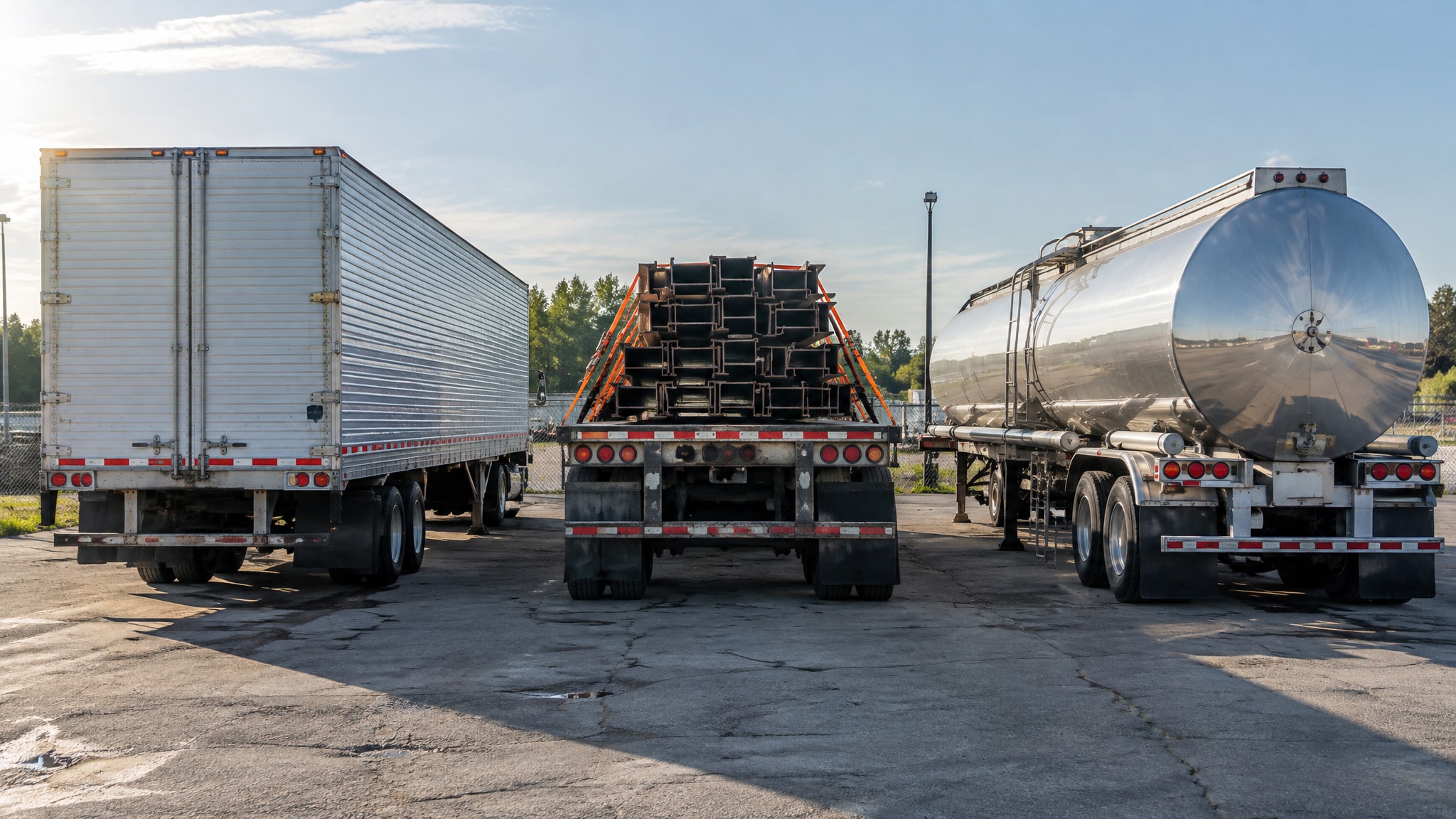
How does the equipment compare with what you plan to run? If you're headed back to a particular kind of trailer, practice on something similar. You can compare tanker, flatbed, and dry van work if you're still deciding.
How does the skills check work? Ask who runs it and what happens with the results.
What support comes after training? A good program doesn't end the day your last lesson does.
At Soler & Soler, we build our training around personal support, pairing classroom instruction with hands-on preparation for life after graduation. We want returning drivers to feel looked after, not processed.
Cost, Length, and What's Included
Cost and length depend on the program, how much practice you need, and what's included. A driver who is only rusty on backing needs a different plan than one who has been away for years.
That's why we suggest comparing quotes line by line. Ask each school for an itemized quote that shows what you're paying for: instruction, driving time, equipment use, testing, and anything else. Then you can compare like with like instead of one big number against another.
Be wary of any quote you can't break down. If a school can't tell you what's in the price, ask again.
Returning Truck Driver Training and Getting Back to Work
Finishing a refresher is a step toward job readiness. You've practiced the skills, you know what's changed, and you can walk into an interview with real confidence.
Keep in mind that employers may set their own requirements for drivers who have been away. Some may want a certain amount of recent experience, a ride-along, or their own road test. Ask about this early, because it affects how you plan your training.
Once you're ready to look, how job placement support works is a good place to learn what guidance can follow your training.
Talk With Our Team About Your Return to Driving
You don't need to have everything figured out before you reach out. We'd rather hear where you are and work from there.
When you book a consultation before you enroll, tell us three things: your license status, how long you've been away from driving, and the kind of equipment you want to run. With those, we can talk through what makes sense for you.
That conversation is the first step, and it's about you, not a sales pitch. We'll also tell you what enrollment timing looks like for your situation.
You've already done the hard part once. We'd be glad to help you get back in the seat.
Frequently asked questions
What happens in a CDL refresher course?
Most programs start with a skills check so an instructor can see where you're rusty. Then you get hands-on practice with pre-trip inspection, backing, and road driving. Many close with a review of rule and equipment changes, like electronic logs and driving-hour rules. The exact structure varies from school to school.
How much is a refresher course for CDL?
The price depends on the program, how much practice you need, and what's included, such as driving time, equipment use, and testing. Ask every school for an itemized quote and compare them line by line. That's the clearest way to see what you're actually paying for.
What certifications do you need to be a truck driver?
Driving a commercial truck requires a CDL, and the class and endorsements depend on what you'll haul. You'll also need a current DOT medical certificate if your driving requires one. Requirements differ by state and employer, so check your state's CDL manual and ask any employer what they expect.
Can you get a CDL with schizophrenia?
There's no one-line answer, and we can't give medical advice. A CDL driver needs to pass a DOT medical exam with a certified medical examiner, who makes the call based on your condition, treatment, and overall health. Talk with that examiner and your own doctor before you invest in training.


Comments